REAL ID Requirements: What You Need to Know to Fly in 2026


If you plan to board a domestic flight in the United States, you now need a REAL ID or an approved alternative. After nearly twenty years of delays, enforcement finally began on 7 May 2025, and it tightened further on 1 February 2026, when the Transportation Security Administration (TSA) stopped waving through travelers without compliant identification.
Anyone who arrives at a checkpoint without a REAL ID or an accepted substitute now has to use a new paid verification process or risk missing their flight.
This guide explains what a REAL ID is, whether you actually need one, which documents to bring, how to get it, the alternatives that also work at the airport, and what has changed in 2026. It closes with a look at how REAL ID fits into the broader shift toward secure and digital identity.
What Is a REAL ID?
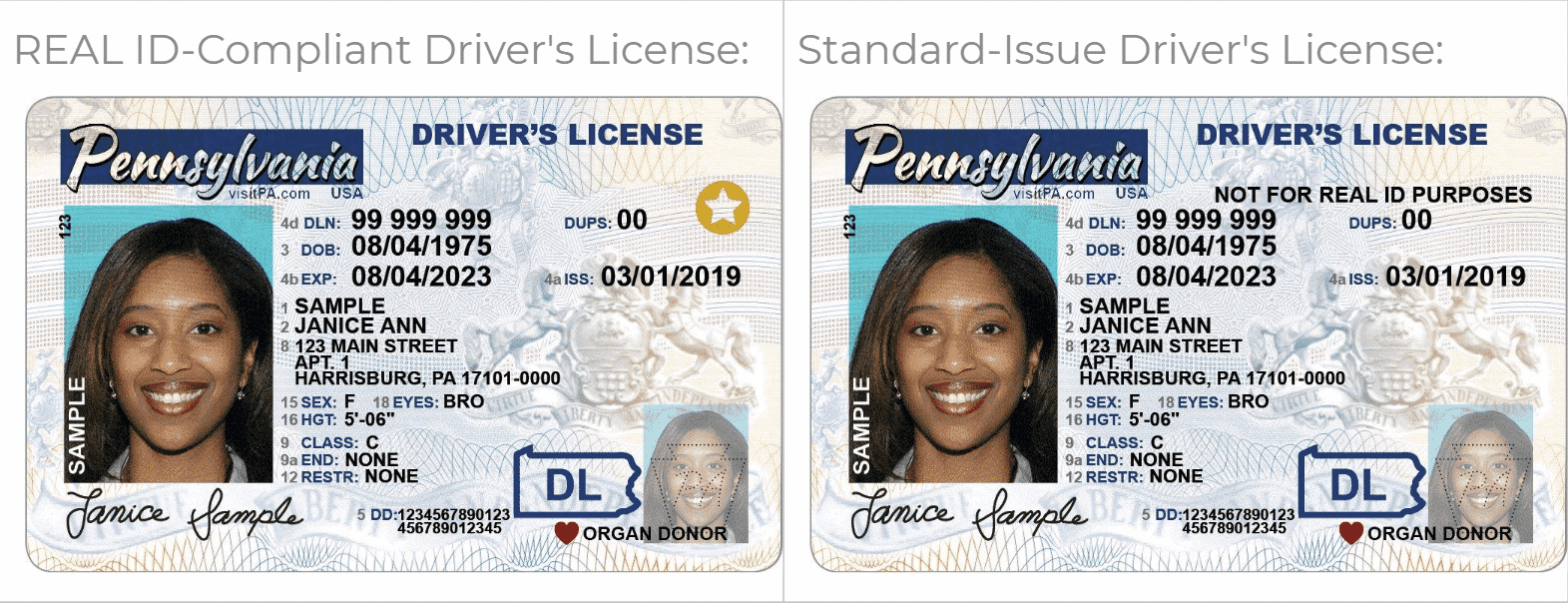
A REAL ID is a state-issued driver's license or identification card that meets federal security standards set by the REAL ID Act of 2005, a law passed on a recommendation of the 9/11 Commission to make government identity documents more consistent and harder to forge. It is not a separate national ID card.
It is your regular license, issued to a tougher standard, and you can spot a compliant card by the star marking, usually a star inside a gold or black circle, in the top corner.
The goal is a single, trusted baseline for identity documents across all 50 states, the District of Columbia, and the US territories, all of which now issue REAL IDs. Because the card is verified against source documents when it is issued, federal agencies can trust it for the specific purposes the law covers.
Do You Actually Need a REAL ID?
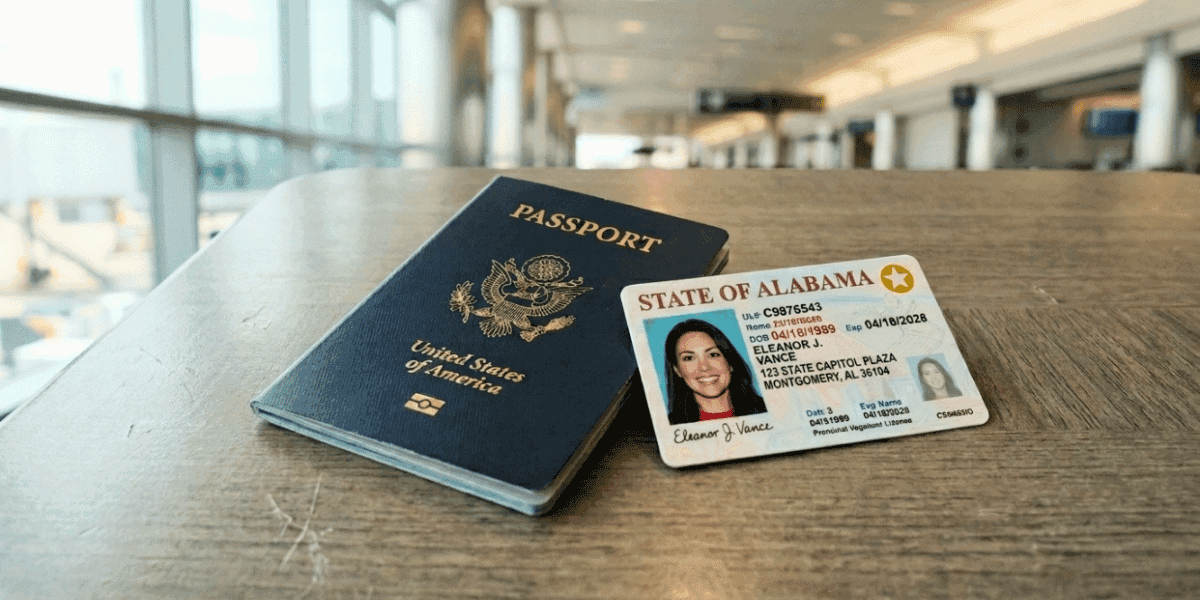
A REAL ID is required only for certain federal purposes, and for everyday activities your existing license or state ID is still fine. It helps to see exactly where the line falls before you rush to a DMV appointment:
You need a REAL ID to | You do NOT need a REAL ID to |
|---|---|
Board a domestic commercial flight (age 18 and over) | Drive a car or renew your license |
Enter a secure federal facility that requires ID at the door | Vote or register to vote |
Access a military base | Visit a hospital or the post office |
Enter a nuclear power plant | Apply for or receive federal benefits |
In short, if you never fly and never enter a secured federal site, you may not need one at all. But because air travel is the trigger most people hit, the majority of adults will want a REAL ID or an accepted alternative.
When Did REAL ID Go Into Effect?
The REAL ID requirement did not appear overnight. It arrived through a long series of deadlines, and the most important dates for travelers are the two most recent ones, when enforcement actually began and then hardened:
Date | What happened |
|---|---|
2005 | The REAL ID Act is signed into law after a 9/11 Commission recommendation |
7 May 2025 | TSA begins enforcing the REAL ID requirement at airport checkpoints |
1 February 2026 | Full enforcement begins; travelers without compliant ID must use the paid TSA ConfirmID process |
Now | A REAL ID or an accepted alternative is required for every domestic flight, for all travelers 18 and over |
What Documents Do You Need to Apply?
Getting a REAL ID means proving who you are with original or certified documents, not photocopies. Requirements vary slightly by state, but every state asks for the same four things, so gather these before your visit:
Proof of identity and lawful status: a valid US passport or a certified birth certificate. Non-citizens provide documents such as a permanent resident card or valid visa.
Proof of your Social Security number: a Social Security card, a W-2 or 1099, or a pay stub showing your name and full number.
Two proofs of residency: documents such as a utility bill, bank statement, or lease showing your current address.
Proof of any name change: a marriage certificate or court order if your name differs across your documents.
How to Get a REAL ID
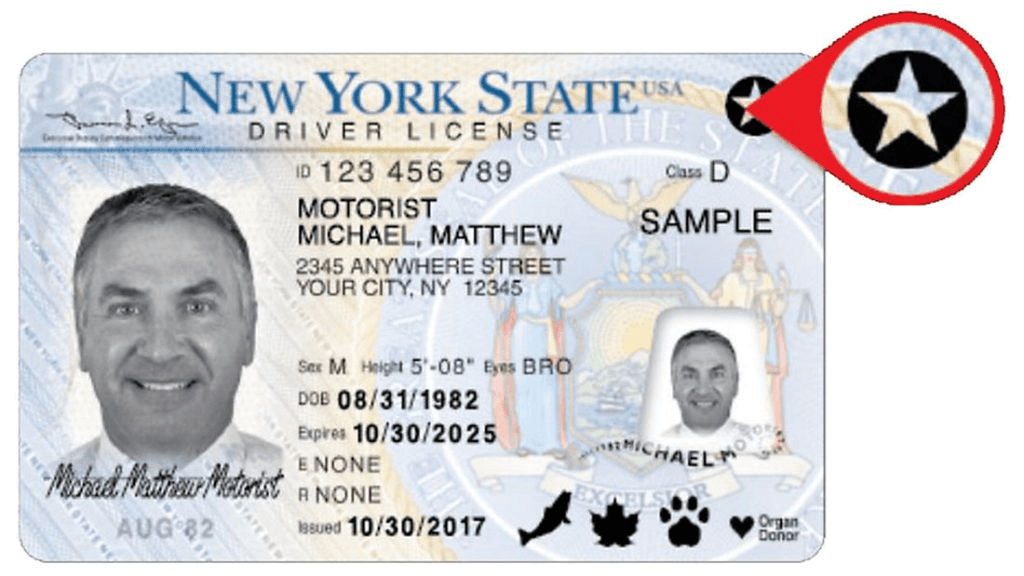
The process is straightforward once your paperwork is in order, though appointments can be scarce close to travel season, so it pays to start early. Most states follow the same basic steps:
Check whether you already qualify. Some states have pre-verified long-time license holders who can order online without a visit.
Gather your documents. Use the four categories above, and confirm your state's exact list on its DMV website.
Apply in person the first time. A first REAL ID almost always requires an in-person visit so staff can verify your originals.
Pay the fee. Many states charge a one-time REAL ID fee, often around $30, on top of the normal license or renewal cost.
Plan for timing. Some offices issue the card same day, while others mail it within about two weeks, so apply well before you travel.
Acceptable Alternatives to a REAL ID
You do not strictly need a REAL ID if you already carry another federally approved document. TSA accepts a range of alternatives at the checkpoint, and any one of them lets you fly without upgrading your license:
A US passport or passport card.
A US military ID.
A DHS trusted-traveler card such as Global Entry, NEXUS, or SENTRI.
An Enhanced Driver's License from Michigan, Minnesota, New York, Vermont, or Washington.
A federally recognized tribal photo ID, a permanent resident card, or an employment authorization card.
You only need one valid ID to fly, not several. If you have a passport, for example, you can use it and skip the REAL ID upgrade entirely.
What Happens if You Do Not Have One in 2026?
This is the biggest change of the year, and it is what most 2025 guides miss. Since 1 February 2026, showing up without a REAL ID or an accepted alternative no longer means an automatic turn-away, but it does mean extra steps and, in many cases, extra cost:
The TSA ConfirmID fee. Travelers without acceptable ID can use TSA's alternative identity-verification process for a $45 fee that covers a 10-day travel period, payable online in advance to reduce delays.
Extra screening and time. Expect additional verification and questions, so arrive at the airport earlier than usual.
Children are exempt. Travelers under 18 are not required to show ID for domestic flights when accompanied by an adult.
What a REAL ID Cannot Do
A REAL ID covers domestic purposes only, so it does not replace a passport for travel outside the country. Before you rely on it, know its limits:
It cannot be used for international air travel, which still requires a passport.
It cannot be used to cross land or sea borders with Canada or Mexico, unless you hold an Enhanced Driver's License.
It is not a substitute for a visa, a green card, or any immigration document.
REAL ID and the Future of Digital Identity
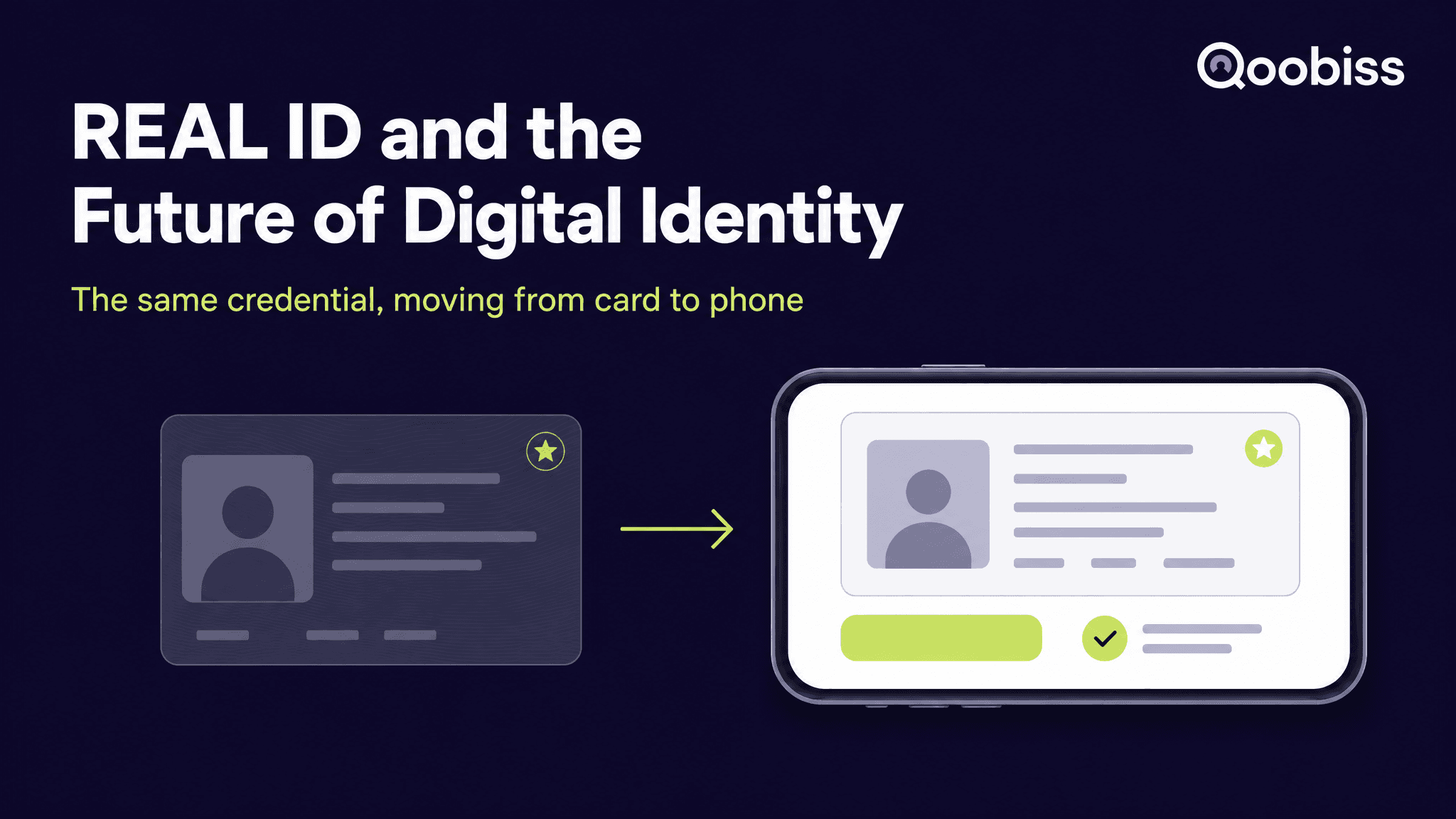
REAL ID is really a story about trusted identity documents, and that story is moving quickly from plastic cards to digital credentials. The same standardization that made REAL ID possible is now enabling mobile driver's licenses, which several states already let residents store in Apple Wallet or Google Wallet and present at a growing number of TSA checkpoints. Behind both the physical and the digital versions sit security features and verification steps that most travelers never see:
Document security features. A compliant card carries anti-counterfeiting elements and a machine-readable zone that let it be checked against the data used to issue it, the same principles behind detecting a fake ID.
Automated document verification. The DMV process of confirming birth certificates, Social Security numbers, and lawful status mirrors what document data extraction and OCR now automate for remote onboarding.
The shift to digital identity. Mobile licenses and biometric passports with NFC chips point toward wallet-based digital identity, much like the EU's eIDAS 2.0 Digital Identity Wallet.
Seen this way, REAL ID is the US catching up to a global move toward high-assurance identity that people can prove quickly, securely, and increasingly from their phones.
The Identity Layer Behind Modern Verification
Qoobiss builds the identity-verification technology that businesses use to confirm real people from their documents and biometrics, whether onboarding a customer online or checking an ID remotely. Its identity verification and document data extraction tools apply the same standards of document authenticity that make credentials like REAL ID trustworthy. To see how secure identity verification works in practice, get in touch.
Frequently Asked Questions
What is a REAL ID?
When did REAL ID go into effect?
How do I know if I already have a REAL ID?
What documents do I need to get a REAL ID?
Do children need a REAL ID to fly?
Can I use a REAL ID to travel internationally?